One of the most important parts of your dental examination is checking the health of your gums. You may have heard your dentist or hygienist calling out numbers such as “BPE 2, 3 or 4” — but what do those numbers actually mean?
What do the BPE numbers mean?
The Basic Periodontal Examination, or BPE, is a quick way of screening your gums:
0 — healthy gums
1 — bleeding gums
2 — calculus or another plaque-retentive factor
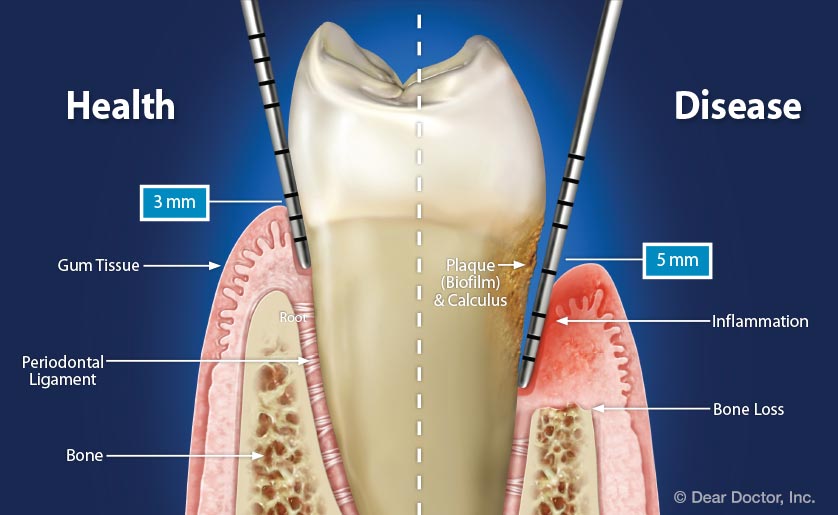
3 — pockets of around 4–5 mm
4 — deeper pockets of 6 mm or more
A simple way to think about BPE is like a traffic light: 0 is green and healthy, 1–2 are amber and need attention, while 3–4 are red and may need a more detailed assessment.
The BPE is a screening tool rather than a diagnosis. If we find higher scores, particularly 3s or 4s, we may need to measure the gums in more detail and take X-rays to assess the bone supporting your teeth.
What is periodontitis?
Periodontitis often begins with gingivitis — reversible inflammation of the gums caused by plaque build-up.
With gingivitis, the gums may become red, swollen or bleed when brushing, but the bone and attachment supporting the teeth are still intact. With good plaque control and professional care, gingivitis can usually be reversed.
If the inflammation is allowed to persist, some people who are susceptible can progress from gingivitis to periodontitis.
Periodontitis is different because the tissues attaching the tooth to the gum and the supporting bone begin to become damaged.
What is a periodontal pocket?
There is naturally a shallow space between the tooth and gum.
When the attachment around a tooth becomes damaged, this space can become deeper, creating a periodontal pocket. Bacteria can then sit below the gum line in areas that are difficult to reach with a toothbrush or interdental brush.
The deeper the pocket becomes, the harder it can be to keep clean. Measuring these pockets helps us understand where the disease is, how advanced it may be and how well it responds to treatment.
What symptoms can periodontitis cause?
You may notice:
- Bleeding or swollen gums
- Persistent bad breath
- Gum recession
- Teeth appearing longer
- Increasing spaces between teeth
- Sensitivity
- Teeth beginning to move
In more advanced cases, teeth may become loose or chewing may become uncomfortable.
Healthy gums should not routinely bleed when you brush or clean between your teeth. When gums are inflamed, they may also feel more tender during professional treatment, but as the inflammation improves we would expect both bleeding and tenderness to reduce.
Why does periodontitis happen?
Plaque is the main trigger, but several factors can increase your risk, including:
- Smoking
- Poor oral hygiene
- Poorly controlled diabetes
- Genetics or a family history of periodontal disease
- Certain medications
- Stress and aspects of general health
Periodontitis is also linked with inflammation elsewhere in the body. There is a two-way relationship between diabetes and periodontal disease, and studies have also found associations with cardiovascular disease, including heart disease and stroke.
An association does not mean that periodontitis directly causes these conditions, but it is another reason why maintaining healthy gums matters.
Do our gums need more attention as we get older?
Gum disease is not an inevitable part of ageing, but our oral health can change over time. Recession, medical conditions, medications, restorations and changes in how easily we can clean our teeth can all make regular monitoring increasingly important.
Why is periodontitis important to get under control?
Without treatment, periodontitis can continue to damage the tissues and bone supporting the teeth. Over time this may lead to recession, larger spaces, increasing mobility and eventually tooth loss.
Bone that has already been lost does not simply grow back, so our aim is to control the inflammation, stop or slow further bone loss, reduce pockets and protect the support that remains.
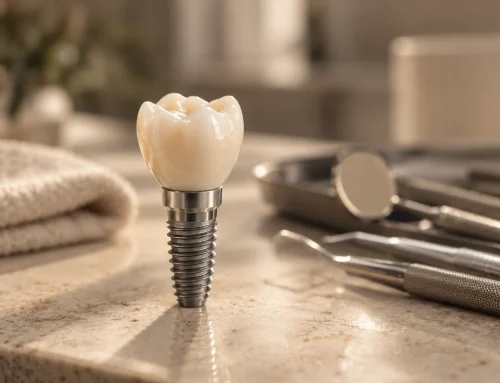
Where a natural tooth can be maintained successfully, preserving it is usually preferable to replacing it. Implants, bridges and dentures can be excellent solutions when necessary, but none is quite the same as your own tooth and all require ongoing care.
With the right treatment, good home care and control of risk factors, periodontal disease can often be stabilised.
How do we assess periodontitis?
We measure the gums in more detail, looking at:
- Pocket depths
- Bleeding
- Gum recession
- Tooth mobility
- X-rays showing the supporting bone
This gives us a much clearer picture of where treatment is needed.
What does periodontal treatment involve?
Periodontal treatment is a process rather than a single appointment.
We first assess where the disease is and how advanced it is. We then work with you to improve your home care, treat the areas below the gum line that you cannot reach yourself, allow the gums time to heal and then reassess the pockets.
From there, we can see which areas have responded well, whether anything needs further treatment and what level of long-term maintenance you will need.
Assessment → home care → periodontal treatment → healing → reassessment → maintenance
Improving plaque control at home is usually the first step. This may include changing brushing technique and finding the correct sizes of interdental brushes.
What you do at home is a major part of periodontal treatment. Professional treatment can remove bacteria and deposits from areas you cannot reach yourself, but keeping plaque under control every day is what helps us maintain that improvement.
We may also discuss factors such as smoking or diabetes where relevant.
Professional treatment then focuses on removing bacterial deposits and calculus from above and below the gum line, including the root surfaces within periodontal pockets. Depending on the extent of the disease, this may require several appointments.
Why might I need extra treatment if I already see the hygienist?
Regular hygiene appointments are extremely valuable, but gum health can change over time.
If your dentist or hygienist recommends more detailed periodontal treatment or referral to a periodontist, it does not necessarily mean previous care has failed. It means the current findings suggest that a different level of treatment is now needed.
What happens after treatment?
After the gums have had time to heal, we reassess them.
We repeat the pocket measurements and look at bleeding to see how the tissues have responded. Areas that remain deeper or inflamed may need further treatment.
Successful periodontal treatment does not necessarily mean that every pocket disappears.
What we want to see is healthier gums, less bleeding, improved pocket measurements and, most importantly, stability over time.
Will I need to see a specialist?
Not everyone with periodontitis needs specialist treatment.
Many cases can be successfully managed by your dentist and hygienist. More advanced, complex or non-responsive cases may benefit from referral to a periodontist — a dentist who specialises in treating gum disease.
Is periodontal maintenance lifelong?
For many patients, yes.
With periodontitis, finishing the initial treatment does not mean finishing the care. Long-term maintenance is part of the treatment itself.
How often you need maintenance depends on your individual risk, the severity of the disease, smoking, home care and how well your gums respond to treatment.
A diagnosis of periodontitis does not automatically mean that you are going to lose your teeth. But it does mean that your gums need ongoing care rather than an occasional scale and polish.
Good cleaning at home, daily interdental cleaning, professional periodontal treatment, controlling your risk factors and attending regular maintenance appointments all work together.
Our aim is simple: control the inflammation, stabilise the disease and help you keep your natural teeth healthy for as long as possible.