Fillings have changed a lot over the years — today we can restore damaged teeth in a way that looks natural while preserving as much of the tooth as possible.
Modern dentistry gives us several options, from tooth-coloured composite fillings to ceramic onlays and crowns. The right choice depends on how much tooth is left, where the tooth is, your bite and how heavily it is loaded.
What is a composite filling?
Composite is a tooth-coloured resin material that bonds directly to the tooth.
It allows us to remove the damaged part of the tooth and rebuild it while preserving as much healthy tooth structure as possible. Because it comes in different shades and translucencies, a well-placed composite filling can blend very naturally with the surrounding tooth.
Why treat a cavity early?
A cavity usually starts small, but once decay progresses into dentine it can spread much faster.
Treating it early usually means a smaller filling and a better chance of preserving more of the natural tooth. If decay is left too long, it can become deeper, reach the nerve and sometimes lead to more complex and expensive treatment.
Composite or amalgam?
Amalgam is the traditional silver-coloured filling material that has been used successfully for many years.
Today, wherever clinically appropriate, I prefer tooth-coloured composite because it bonds to the tooth, looks natural and allows us to preserve more healthy tooth structure.
If you already have an amalgam filling, whether it should be replaced depends on the individual tooth, the condition of the restoration and the surrounding tooth structure.
In many cases, when an amalgam is failing, leaking, cracked or needs replacing for another reason, composite can be an excellent modern alternative.
When is a filling not enough?
Sometimes a tooth has lost too much structure for another direct filling to be the most predictable option. This can happen with large fillings, cracked teeth, heavily restored back teeth or weakened cusps.
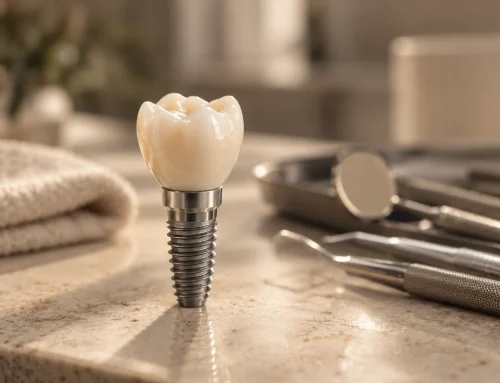
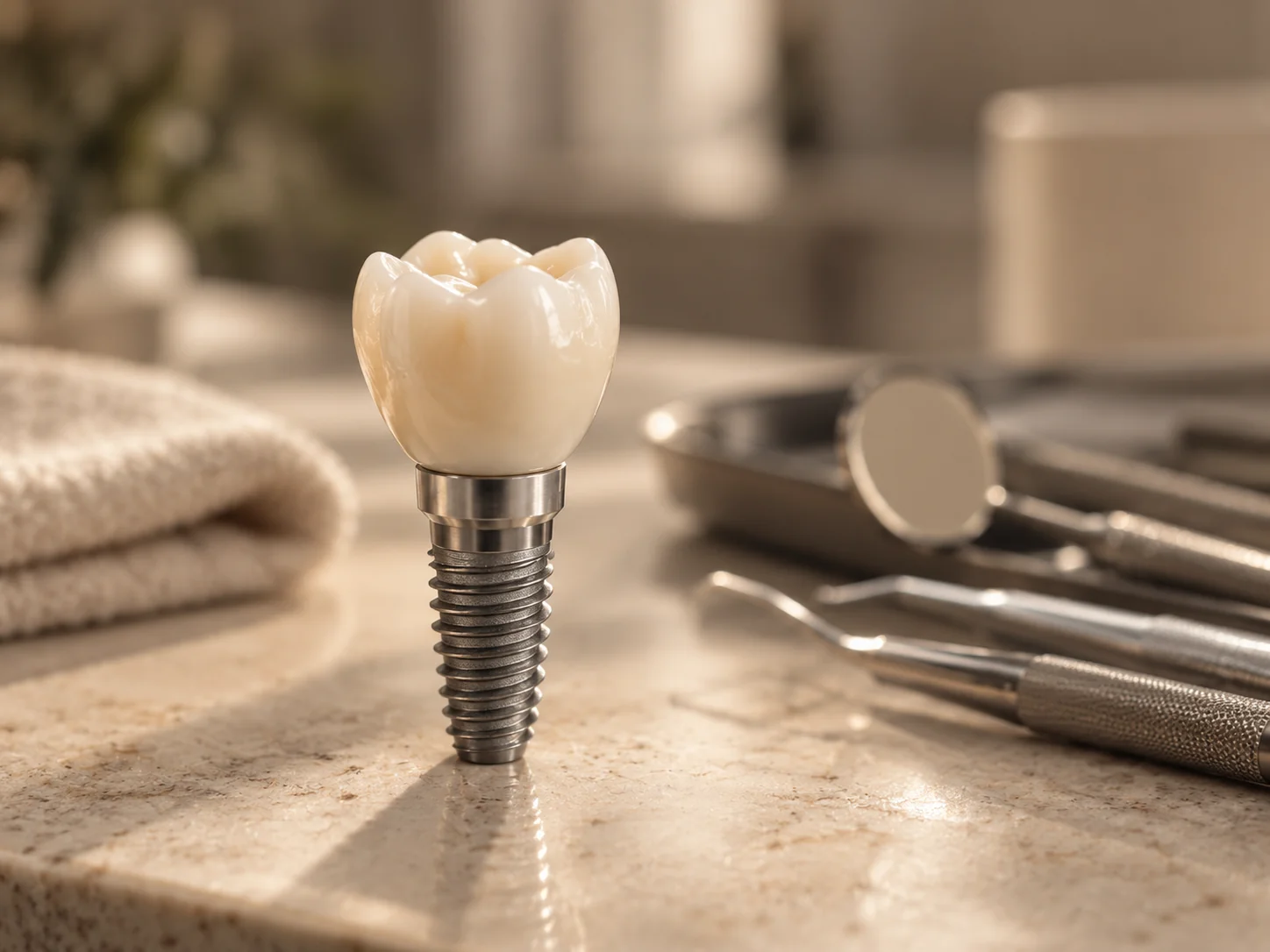
In these situations, we may recommend an E-max onlay or crown.
I like to think of an onlay as the missing piece of a puzzle — it replaces and protects the weakened part of the tooth while allowing us to preserve as much of the healthy tooth as possible.
A crown covers more of the tooth and may be recommended when the tooth is more extensively damaged.
The aim is to choose the option that gives the tooth the best long-term protection while preserving as much healthy structure as we can.
What is composite bonding?
Composite bonding uses the same family of tooth-coloured materials, but instead of treating decay, it is often used to improve the shape and appearance of the teeth.
It can be used to repair small chips, close small gaps, improve tooth shape or symmetry, smooth uneven edges, or enhance the overall appearance of a smile.
There is also edge bonding, where composite is added only to the edge of the tooth to repair chips or improve uneven shapes. Because we only add material where it is needed, it can be a very conservative and minimally invasive approach, with little or sometimes no removal of healthy enamel.
In some cases, where a different type of cosmetic change is needed, porcelain veneers may be a more suitable option.
Not all composite is the same
This is something patients do not always realise. There are many different composite materials, with different strengths, handling properties, polish and aesthetics.
But the material itself is only part of the result.
How the tooth is isolated, how the composite is bonded, how it is layered and shaped, and how the bite is adjusted and polished all matter.
Keeping the tooth properly isolated and dry during bonding is also an important part of achieving a reliable result.
A technically excellent composite restoration takes time and attention to detail. A good restoration should not simply look natural — it should restore the shape and function of the tooth, feel comfortable in your bite and be maintainable over time.
That is why choosing a dentist or dental therapist with experience in adhesive dentistry and composite techniques is important.
Who can place composite fillings?
Composite fillings can be carried out by dentists and dental therapists. Dental therapists are qualified to diagnose and treat many aspects of tooth decay and can place direct composite restorations within their scope of practice.
Can good oral hygiene prevent future cavities?
Absolutely. Good oral hygiene is one of the most important ways to reduce your risk of developing new cavities.
Brushing twice a day with the right toothpaste, cleaning between your teeth daily and keeping plaque levels low all help protect the tooth surface.
Diet matters too — particularly how often your teeth are exposed to sugar and acidic foods or drinks.
How long do composite restorations last?
When the right technique is followed and the restoration is looked after well, composite can last for many years.
How long it lasts also depends on the size of the restoration, which tooth it is on, your bite, grinding or clenching habits, diet and oral hygiene.
One advantage of composite is that, in many cases, small chips or defects can also be repaired rather than replacing the entire restoration.
The most important thing to remember
Composite fillings are a modern, conservative and highly effective way to restore teeth, and with the right material, technique and care they can look natural and last for many years.
Every tooth is different, so the best treatment depends on how much healthy tooth remains, how the tooth functions and what will give it the best long-term protection.
A clinician’s aim should always be to preserve as much of your natural tooth as possible, restore it carefully and choose the option that gives the best balance of strength, function and a natural-looking result.